
Policing remains under sustained pressure. As the record-breaking National Police Wellbeing Survey (NPWS) 2025 highlighted, there are ongoing challenges including heavy workloads, wellbeing concerns, and gaps in leadership confidence within forces. While forces and national organisations are investing in improvement efforts, many leaders recognise that progress needs to accelerate.
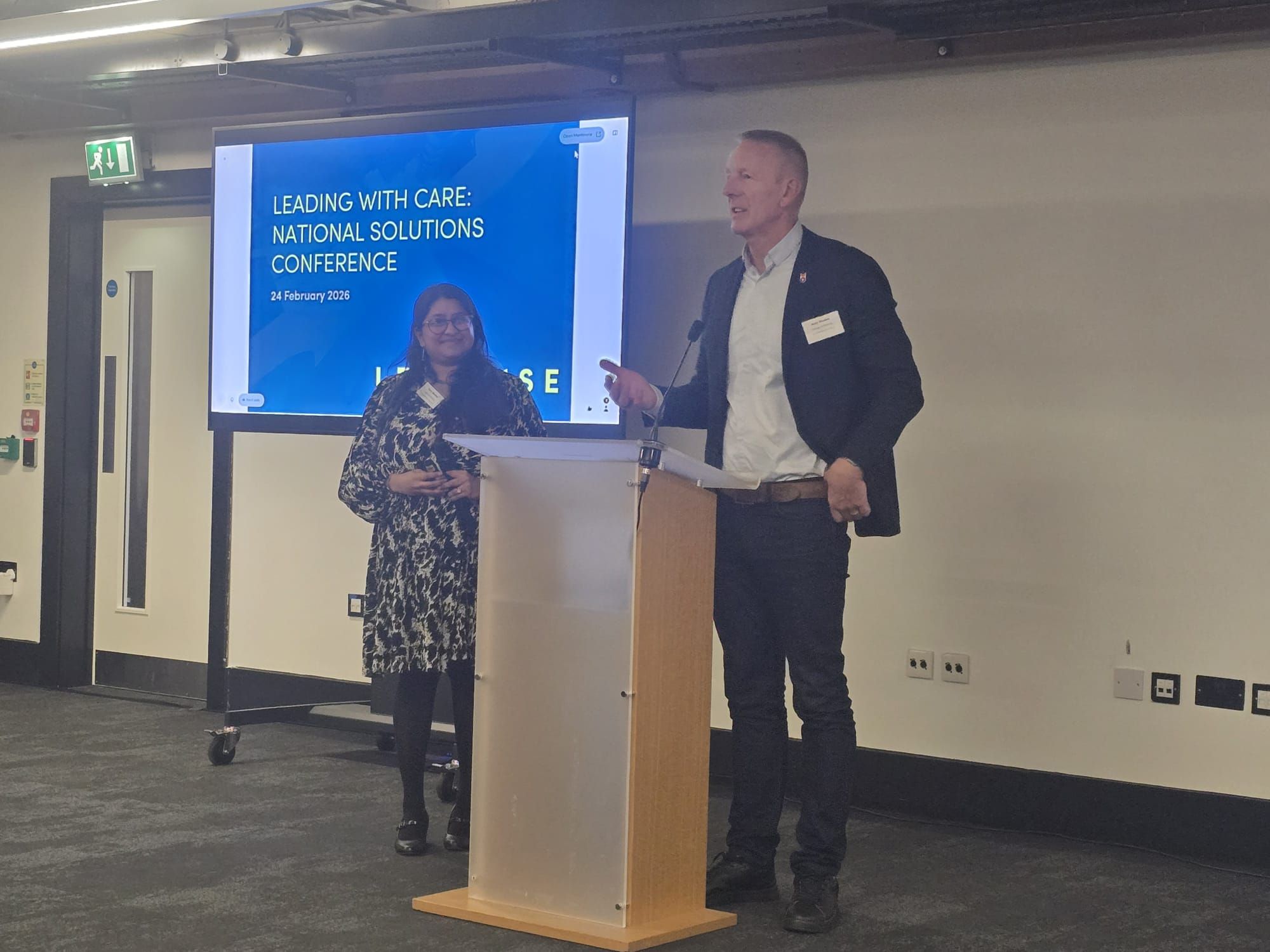
This was the context for the Leading with Care Conference hosted by Leapwise with Oscar Kilo earlier this week. Senior leaders from across 40+ policing organisations came together in Manchester to share ideas, united by a commitment to strengthening leadership, wellbeing and culture across policing.
4 Highlights from the Leading with Care Conference
1. Reform presents a real opportunity — but will only succeed if policing prioritises change and actively shifts its culture
Louisa Rolfe QPM, CC Jason Hogg, and Chair of the Police Superintendents Association Nick Smart, set out some of the reforms that will affect the police workforce in the coming years. Louisa Rolfe argued that reform was an opportunity to improve things for both the public and the frontline, but there would need to be a strong emphasis on leadership that focused on both the public and the people in policing. Jason Hogg called for stronger action to reduce unnecessary bureaucracy that makes policing workloads unmanageable. Nick Smart argued that resourcing questions also shouldn’t be ducked, with policing in England and Wales having fewer officers per capita than many European nations, and that policing needs to do more to support leaders who speak up about flaws in the system and think differently.
One of the cross-cutting themes of the panel was the need to shift police culture – overcoming risk aversion in the service and creating an environment that encourages divergent views and sees mistakes as opportunities to learn. There were stats aplenty – and discussions of how reforms such as the creation of the License to Practice and revised promotion processes would work – but the overall message to the sector was one of positivity. There is much that leaders can do to create push back on unnecessary burdens, support reforms, and lead teams in a courageous, caring and collaborative way that upholds excellent policing for the public.
2. Tackling police burnout means making wellbeing everyone’s responsibility
The wellbeing session focused on what can be done to alleviate the exhaustion felt by the police workforce. The common themes from our delegates were that relentless workload demands, insufficient breaks and trauma were leading contributors to burnout, which corroborates with our analysis of the National Police Wellbeing Survey.
Our speakers also emphasised: “wellbeing as everyone’s business”. Jennifer Hutchinson shared how North Wales Police embeds wellbeing at every level – building accountability for senior leaders through bi-monthly reports for managers to monitor and address challenges, and through consultation forums that give all staff a voice. Emma Burke highlighted Gloucestershire’s approach to creating a culture of shared responsibility, coordinating wellbeing through a Health and Wellbeing Board, ensuring senior ownership, and providing clear escalation routes. Leaders in the room then generated actionable ideas to drive change, including stronger leadership role modelling, protection of rest days, and evaluation of good practice – creating a bank of strategic and tactical actions to take back and drive in their forces.
3. Building psychologically safe, accountable leadership is essential for managing risk and improving culture and performance
The NPWS Survey 2025 highlighted leadership and culture issues, including low confidence in senior leaders and a lack of psychological safety. Jenny Sims and Anita Grant outlined that police leaders need to build more inclusive, psychologically safe work environments that drive high performance. Developing such a culture is critical to operational risk management – when officers and staff do not speak up and flag issues, risks escalate, sometimes with catastrophic consequences. Leaders need to be willing to hold difficult conversations, comfortable hearing bad news, and open to adapting when things aren’t quite right.
More broadly, to translate these principles into practice, effective leadership requires clear frameworks that mandate what is and isn’t acceptable, including modelling allyship and challenge, and programme governance that holds leaders and the organisation to account. Strong culture and leadership aren’t just important for policing organisations, but essential to ensuring upcoming reforms are delivered effectively.
4. Preventive action and early intervention support are key to stemming escalation of conduct issues
Next, we focused on professional conduct and culture in the context of widespread challenges across policing. Those experiencing misconduct rarely report it (due to low confidence in their force taking action or, worse, for fear of negative repercussions for their career). And many reported concern and fears about long and opaque professional standards investigations, which severely impact those under investigation. Carol Cox and Esther Ingham shared insights into how they have built confidence in and support through professional conduct processes in Merseyside. Key to this has been early intervention and support to prevent escalation of distress and cynicism, including ensuring colleagues have consistent support through the process.
The discussions reflected on ways to mitigate challenges before they escalate, emphasising the need to empower and upskill line managers to have difficult conversations with their teams. Many shared how their forces have worked to build inclusive cultures and trust in conduct processes, including through peer support, wraparound support for victims and those under investigation, and greater transparency. While there are several systemic challenges, there was a reflection that intentional, tactical actions can help shift the dial.
Driving change across policing
The final session of the day focused on mobilising leaders in the room to identify the changes they would drive personally, and how they would collectively influence improvements across the themes discussed. Using the Leapwise VICTORY Framework, which identifies the success factors for change across hundreds of major projects, we discussed the need to take small, practical actions as well as make big, systemic reforms. What exactly is needed in each policing organisation will differ, but the examples of successful improvements in wellbeing, leadership, and approaches to professional standards shared throughout the day offered optimism that change is possible!
We’re planning much more work with policing on these vital issues – so please do get in touch with our leads on police leadership, culture and workforce planning and connect with the Oscar Kilo community, the CIPD Forum and staff associations such as the Police Superintendents’ Association to get involved in leading improvements.